

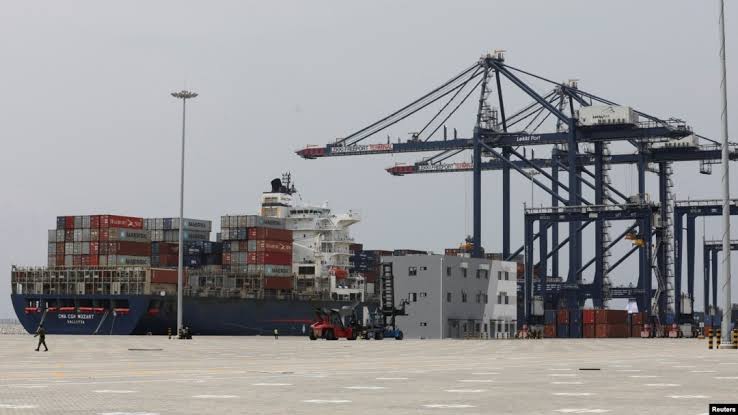
Ondo State Governor, Lucky Aiyedatiwa, has said the proposed Ondo Deep Sea Port will serve as a major hub for international trade, with significant benefits for micro, small and medium enterprises (MSMEs) across Nigeria and the West African subregion.
Aiyedatiwa disclosed this on Thursday in Abuja while receiving the revalidated licence for the port from the Minister of Marine and Blue Economy, Adegboyega Oyetola. He described the project as a critical economic infrastructure capable of expanding trade opportunities for businesses of all sizes, particularly MSMEs involved in import, export, logistics and allied services.
The licence for the port, originally approved by former President Muhammadu Buhari in 2023, was submitted for revalidation after errors were identified in the initial document. In a statement issued by the Chief Press Secretary to the governor, Ebenezer Adeniyan, Aiyedatiwa commended the Federal Government for expediting the revalidation process.
According to the governor, the Ondo Deep Sea Port is designed with a natural draught of about 18 metres, enabling it to accommodate very large vessels larger than those currently operating in Lagos ports. He noted that this capacity would eliminate the need for transshipment, allowing cargo vessels to sail directly into Ondo waters.
He explained that the port would function as a gateway for international trade, supporting industry, commerce and economic growth, while reducing logistics costs and improving access to global markets for Nigerian MSMEs.
“The Ondo Deep Sea Port is not just a state project; it is a national and regional asset that will serve businesses across Nigeria and neighbouring West African countries,” Aiyedatiwa said.
The governor added that the commencement of construction would stimulate economic activity in the state, including increased movement of investors, financiers and service providers, with positive spillover effects on hospitality, transportation and other sectors.
He stressed that the project would strengthen Nigeria’s position as a logistics and trade hub in West Africa, while creating an enabling environment for MSMEs to scale, access new markets and contribute more meaningfully to national economic growth.