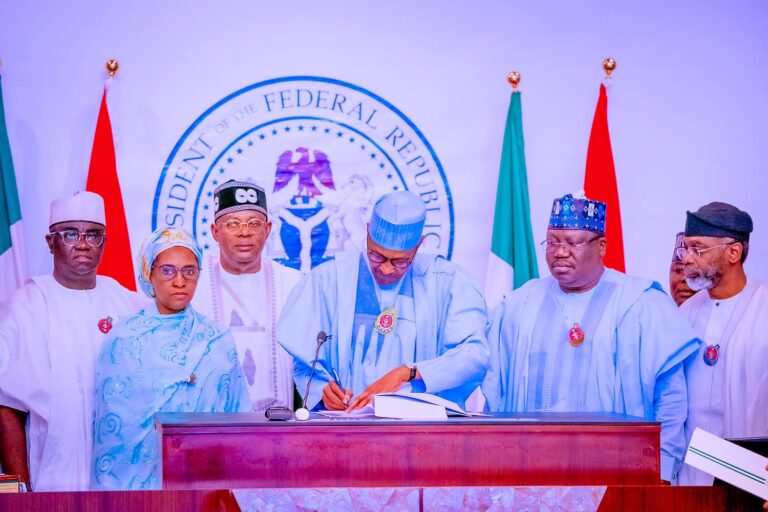
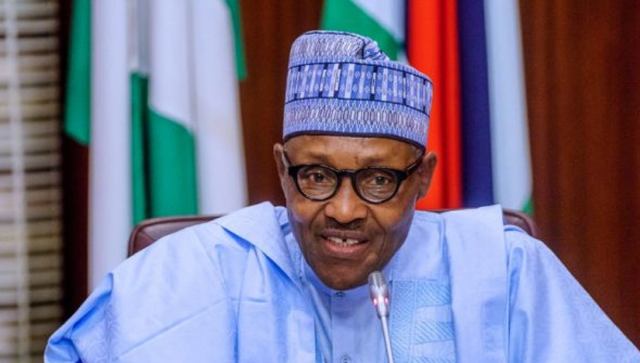
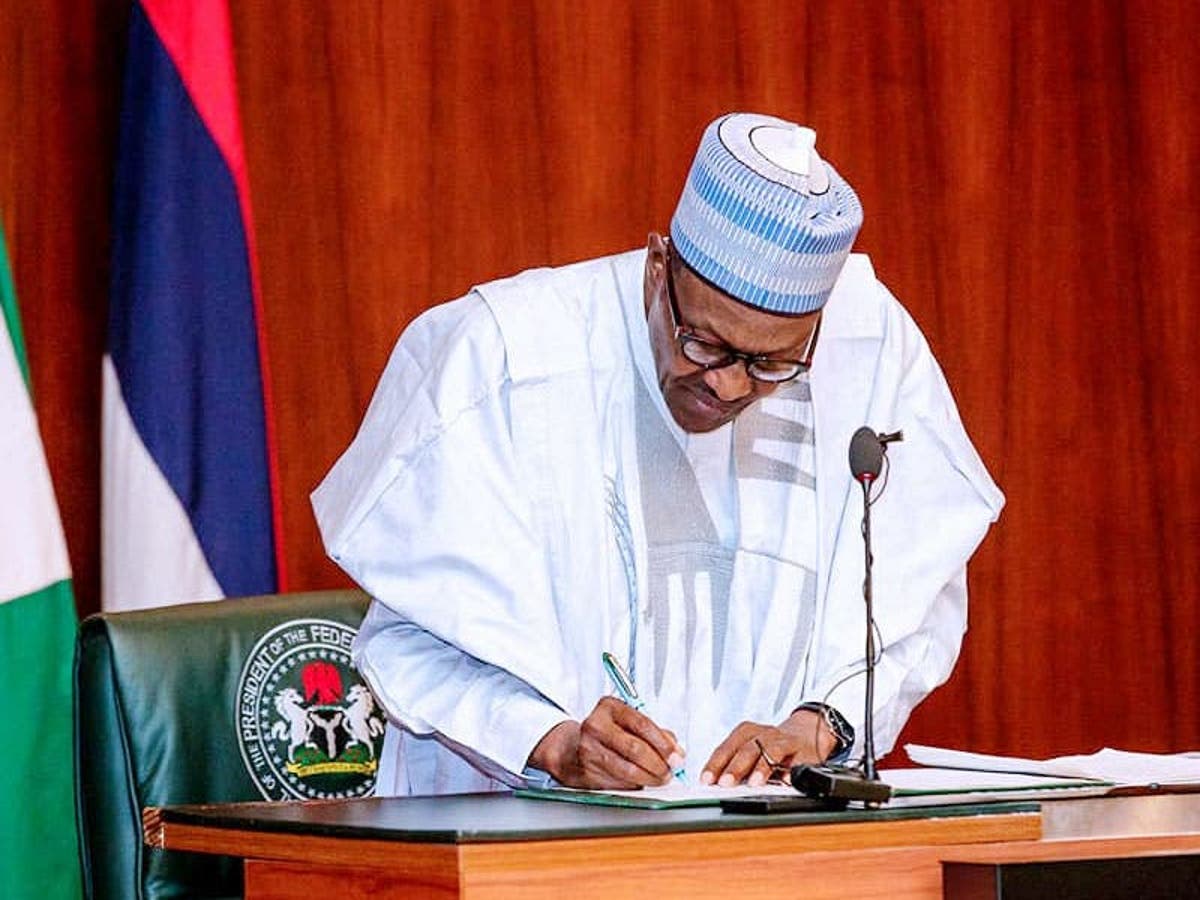
Governor Seyi Makinde has signed the N892 billion 2026 Appropriation Bill into law, advancing a fiscal plan aimed at boosting economic productivity, infrastructure development, and revenue generation across Oyo State.
The signing ceremony took place on Monday at the Executive Council Chambers in Ibadan, following the Oyo State House of Assembly’s approval of the budget. Lawmakers praised the timely passage of the budget, highlighting strong collaboration between the executive and legislative branches of government.
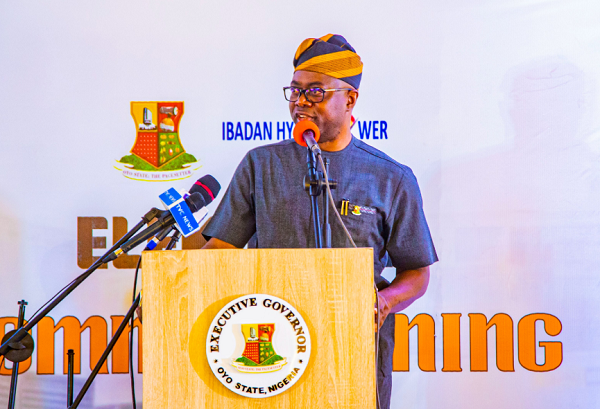
Describing the strategy behind the budget, Governor Makinde said the 2026 fiscal plan tagged a “Budget of Economic Expansion” is focused on production rather than consumption as a sustainable way to grow the state’s economy and reduce over-dependence on federal allocations.
“This budget has deemphasized consumption. We are in an environment where productivity must drive growth. We want to expand our economy and depend less on federal allocation, because that is the only path that can bring about sustainable growth,” Makinde said during the ceremony.
The governor also noted that the 2026 budget represents the last full-year budget of his administration, and he hinted at the possibility of a supplementary budget later in the year if revenue performance exceeds expectations or if major projects begin yielding results.
The Speaker of the Oyo State House of Assembly, Rt. Hon. Adebo Ogundoyin, commended the process, noting that the legislature ensured the budget was passed in line with global best practices in public finance management and with an emphasis on transparency and predictability.
The 2026 budget reflects a continued trend under Governor Makinde’s administration toward expanded fiscal frameworks and increased development spending. Oyo State’s budgetary growth has been evident over recent years, with earlier budgets significantly smaller before economic expansion was prioritised.
What This Means for MSMEs and the Economy
For small and medium-sized businesses across Oyo State especially those involved in manufacturing, agriculture, services, and technology the production-focused budget offers opportunities for infrastructure support, enhanced market access, and a more enabling business environment. Increased capital investment in infrastructure and industrial growth could reduce operating costs and support local enterprise expansion.
Analysts say that prioritizing production and internal revenue generation may also help create jobs, expand local supply chains, and strengthen economic resilience key drivers for MSME growth and competitiveness in the region.
With implementation set to begin immediately, stakeholders across both public and private sectors have been urged to support full execution of the 2026 budget to ensure tangible results for residents and businesses.