

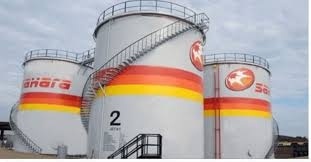
Nigeria’s power sector is gradually repositioning for growth and long-term stability, driven by policy reforms, improving liquidity, and stronger collaboration among key stakeholders, according to Kola Adesina, group managing director of Sahara Power Group. He said recent developments across the electricity value chain suggest the industry is beginning to feel the impact of reform-led investments, technology adoption, and more coordinated action.
Speaking in an interview on the state of the electricity industry, Adesina expressed confidence that Nigeria could overcome its longstanding power challenges and evolve into a transformational energy hub on the African continent. He noted that collaboration between the federal government, the power ministry, regulators, operators, the Central Bank of Nigeria, commercial banks, and multilateral development partners has reached an unprecedented level, creating a stronger foundation for sector-wide efficiency and sustainability.
According to him, this growing alignment of interests is expected to extend into 2026, translating into improved electricity supply for households and businesses. He described the current level of engagement among stakeholders as a turning point that could unlock new investments and restore confidence in the sector.
The recent government interventions, particularly around liquidity, were highlighted as critical. In December, the federal government approved N185 billion to settle long-standing debts owed to gas producers supplying power generation companies. This was followed by the issuance of a N590 billion bond under the presidential power sector debt reduction programme, building on the earlier approval of a N4 trillion bond to clear verified debts owed to generation companies and gas suppliers.
Adesina said these steps are helping to ease financial bottlenecks that have constrained the industry for years. He described the settlement of legacy debts as a major enabler of fresh investment and long-term stability, especially for operators seeking to expand capacity and improve service delivery. He added that progress is also being recorded in metering and customer service, supported by closer cooperation between regulators and operators.
He said the sector is likely to witness deeper reforms in electricity distribution, including large-scale rehabilitation of infrastructure, wider deployment of advanced metering systems and improved customer relationship management. These changes, he noted, would help reduce technical and commercial losses while supporting more efficient and sustainable business models.
Sahara Power, Adesina said, remains committed to supporting national development through reliable electricity supply. The group currently accounts for about 19 percent of Nigeria’s total power generation through its subsidiaries and is working to increase dispatched generation capacity to between 6,500 megawatts and 7,000 megawatts. He also disclosed plans to launch a data centre to support operational expansion, innovation and sector-wide efficiency.
Over the next three to five years, the company plans to invest heavily in gas and renewable energy to deliver more affordable and sustainable power to households and industries. Adesina aligned these plans with the federal government’s infrastructure agenda, noting that recent policy reforms, relative exchange rate stability, easing inflation and moderated interest rates have improved predictability for investors in the power sector.
He said the planned data centre will rely on real-time data analytics, predictive maintenance and cybersecurity tools, working with system operators and government agencies to improve transparency and efficiency across the industry.
On power sector loans, Adesina said discussions with the consortium of banks involved remain positive. He explained that the loans, due for full repayment in 2034, are being serviced in line with agreed terms, adding that this financial discipline is key to attracting further investment. He disclosed that Sahara Power has already serviced about 73 percent of its original loan despite severe liquidity challenges linked to unpaid sector debts.
Industry observers say the government’s legacy debt resolution programme is already helping to stabilise the electricity value chain and rebuild investor confidence. Data from the Nigerian Electricity Regulatory Commission show that more than 2.3 million meters have been deployed nationwide under the national mass metering programme since 2020, a development expected to narrow the metering gap and strengthen revenue assurance for operators.
For MSMEs, the gradual stabilisation of the power sector could be significant. More reliable electricity supply reduces operating costs, lowers dependence on generators and improves productivity, especially for small manufacturers, service providers and digital businesses that rely on consistent power to grow.