

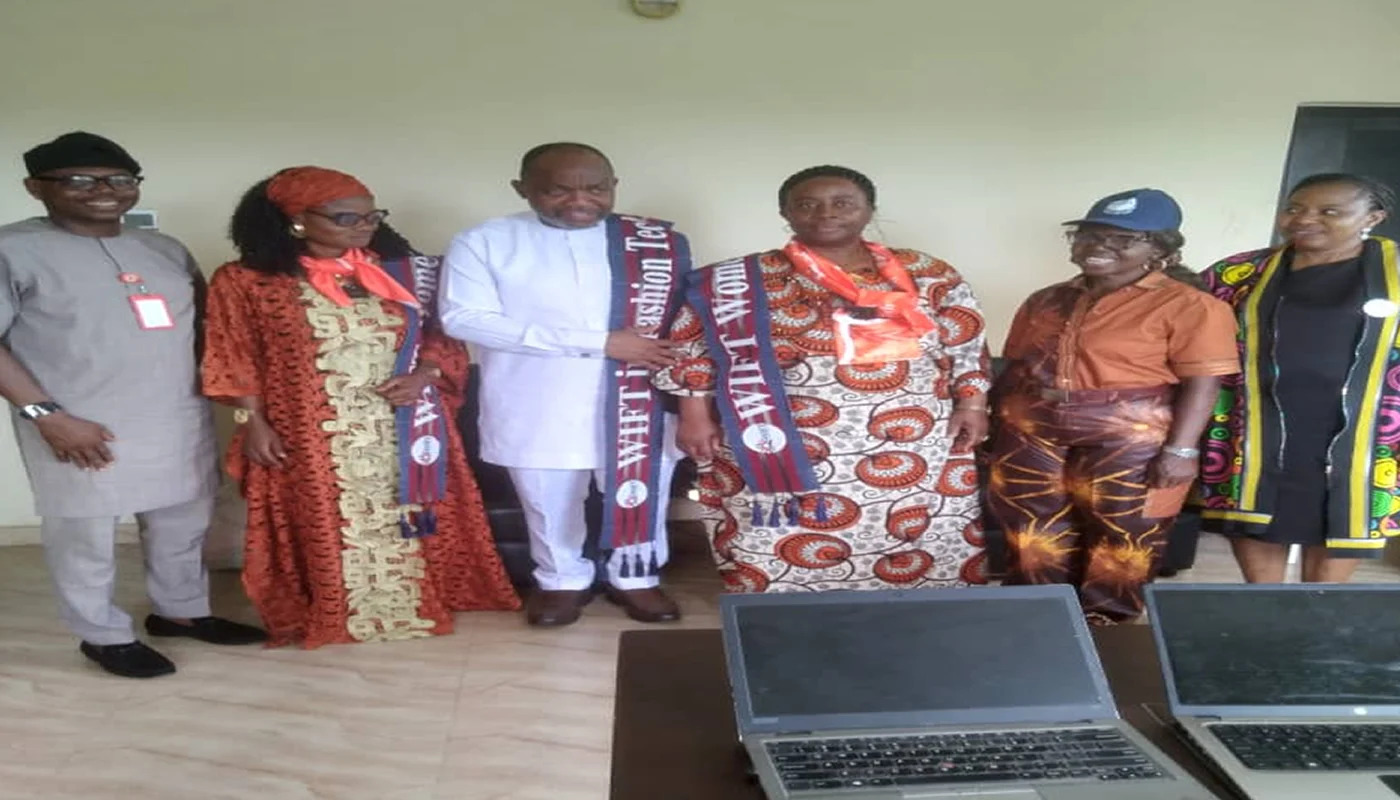
The United Nations and Women in Fashion Tech have urged deeper investment in Nigeria’s fashion industry to close persistent knowledge gaps and help local designers break into global markets. Their call followed the graduation of thirty women from the Scaling Nigerian Fashion Products for Export Across Global Markets programme held at the Garment Consult office in Ogun State, where stakeholders highlighted the need to strengthen the country’s position in the fast-evolving global fashion economy.
Organisers explained that the training equipped participants to compete across African, European, American, and South American markets while addressing the technology, business, and skills gaps that often limit the growth of the sector. They noted that the fashion industry demands stronger digital competence, modern production methods, and greater export readiness for Nigerian brands to thrive internationally, especially as global consumer expectations shift rapidly.
The next phase of the initiative will run as a six-week accelerator focused on digital business development, export preparation, entrepreneurship, and mass-production capacity, together with access to finance and expanded market linkages. Programme coordinators emphasised that UN Women has supported the project from inception through advisory guidance and technical assistance aimed at shaping a more competitive and inclusive fashion ecosystem.
UN representatives described the programme as a transition from largely artisanal operations to a more industrial approach, pointing out that the growing middle class and changing tastes require design-driven innovation and improved technical skills. They stressed that while many entrepreneurs focus on production hardware, the foundation of global competitiveness lies in design quality, knowledge and specialised skills. They also revealed ongoing engagements with financial institutions to ensure Nigerian banks understand the needs of fashion businesses, arguing that talent and ideas cannot scale without the right funding.
One of the beneficiaries reported that the programme gave her clarity on digitalisation and positioned her brand for export, although she noted the need for further funding, digital tools and higher-level training to sustain growth. Facilitators added that the programme aligns with Nigeria’s African Continental Free Trade Area strategy, with fashion identified as a priority export sector that can drive job creation, especially for women-led MSMEs. They explained that the next three months will focus on hands-on mentoring as participants implement their digitisation action plans, together with structured training in business ethics and organisational development to help them operate sustainably in both local and international markets.