

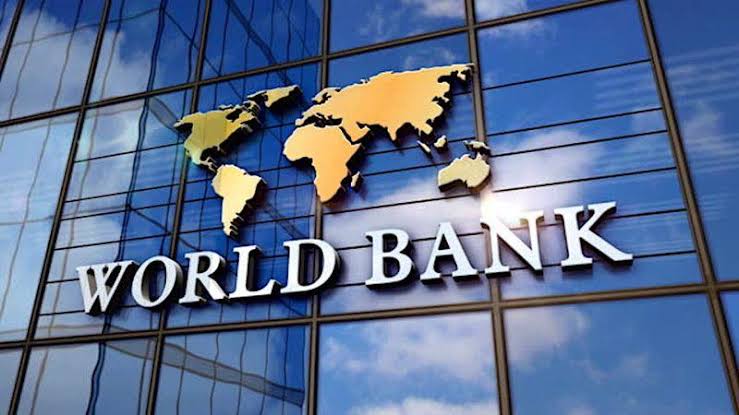
The World Bank has cautioned that Nigeria and other Sub-Saharan African countries must pursue export diversification and fiscal reforms to address rising debt levels, highlighting potential risks for micro, small, and medium-sized enterprises (MSMEs). The warning was contained in the International Debt Report 2025, which underscores Sub-Saharan Africa as an outlier where debt levels and servicing costs increased in 2024 despite slow GDP growth.
According to the report, Nigeria’s public debt, which includes both domestic and external obligations, rose 2.01 per cent quarter-on-quarter to N152.39 trillion (US$99.65 billion) in Q2 2025 from N149.38 trillion (US$97.23 billion) in Q1 2025. Financial analysts have expressed concern over the country’s growing debt profile, noting that continued borrowing to fund budget deficits could strain the economy and indirectly affect MSMEs. The 2026 budget framework projects additional borrowing of N17.89 trillion, following approvals for N1.15 trillion in domestic loans for 2025.
The World Bank observed that Sub-Saharan Africa diverged from other regions post-COVID, with external debt rising even as output lagged. “Sub-Saharan Africa stands out as an exception; both debt levels and servicing burdens have continued to rise even as growth remains subdued, underscoring persistent fiscal stress,” the report states. The analysis links high debt burdens to vulnerabilities in health, education, and infrastructure, which can create challenges for small businesses relying on a stable economic environment.
In 2024, Nigeria raised US$2.2 billion through Eurobonds at yields of 9.625 per cent and 10.375 per cent to fund its budget deficit, marking a return to international markets after a year-long pause. While investor confidence appears to be returning, the elevated borrowing costs could affect liquidity and access to capital for MSMEs.
The report also highlights that Nigeria remains one of Africa’s top International Development Association-eligible borrowers, alongside Bangladesh, Kenya, and Pakistan, benefiting from a record US$36 billion in multilateral credit inflows in 2024. These inflows can provide opportunities for private sector growth, including MSMEs, if accompanied by sound fiscal management and policies that promote economic diversification.
Experts suggest that for Nigerian MSMEs to thrive amid rising debt and fiscal pressures, the government must prioritize reforms that encourage export growth, improve access to financing, and create a stable economic environment. Without such measures, the burden of debt could stifle business growth, limit employment opportunities, and increase operational costs for small enterprises that form the backbone of the Nigerian economy.
The World Bank’s findings underscore the need for urgent policy action to ensure that MSMEs, which contribute significantly to job creation and economic development, are shielded from the negative effects of rising debt and fiscal imbalances.